- Oct 27
- By FuAmelia
As temperatures drop and camping season winds down, knowing how to store a rooftop tent for winter is essential for protecting your gear. Without proper care, trapped moisture, freezing temperatures, and prolonged exposure to the elements can lead to mold, corrosion, and unnecessary wear.
Whether you own a Naturnest rooftop tent or another rooftop tent model, proper winter storage starts with cleaning, thorough drying, and choosing the right storage location.
This guide covers everything from preparation and storage methods to winter maintenance and getting your tent ready for spring.
How to Prepare Your Rooftop Tent for Winter Storage
Before putting your rooftop tent away for several months, take time to clean, dry, and inspect it. These simple steps can help extend its lifespan and prevent avoidable damage.
Clean Your Rooftop Tent Inside and Out
Remove dirt, leaves, sand, and other debris from the tent's interior and exterior. Use a soft cloth, lukewarm water, and mild detergent to clean the fabric and hard shell.
Avoid bleach, harsh chemicals, and abrasive brushes that could damage protective coatings.
Pay attention to:
-
Tent fabric and seams: Remove dirt and stains, especially around corners and stitching.
-
Zippers: Brush away sand and debris. Apply a compatible zipper lubricant if needed.
-
Mattress and floor: Lift the mattress to clean underneath and check for moisture.
-
Hard shell or travel cover: Wipe away mud and dust, and inspect for cracks, tears, or worn seams.
Dry Your Rooftop Tent Completely
Moisture is one of the biggest concerns during rooftop tent winter storage. Even small amounts trapped inside can encourage mold, mildew, and unpleasant odors.
After cleaning, leave your tent fully open in a dry, well-ventilated area until the fabric, seams, mattress, and interior surfaces are completely dry.
If you've recently camped in rain or snow, check beneath the mattress, around windows, and inside fabric folds. These areas may remain damp even when the exterior feels dry.
Remove bedding, pillows, and damp accessories. For extended storage, consider keeping removable mattresses and bedding separately in a clean, dry location.
Inspect Hardware and Accessories
Check hinges, locks, mounting brackets, support poles, and other hardware for signs of wear, corrosion, or damage.
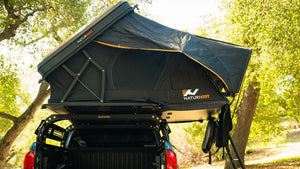
For hard-shell rooftop tents, inspect the shell, seals, and locking mechanisms. Soft-shell owners should examine the travel cover for damaged zippers or worn seams.
If your existing cover needs replacing, explore Naturnest rooftop tent accessories for compatible options. Always confirm compatibility with your specific model.

Where and How to Store a Rooftop Tent in Winter
Choosing the right rooftop tent storage method depends on your climate, available space, and how frequently you plan to camp.
Indoor Storage: Best for Long-Term Protection
A dry garage or sheltered storage room is generally the best option for extended winter storage, particularly in regions with heavy snowfall or freezing temperatures.
For safe indoor storage:
-
Use a sturdy rack or properly rated lifting system.
-
Keep the tent elevated above damp floors.
-
Avoid stacking heavy objects on the shell.
-
Support the tent evenly to prevent pressure on hinges or edges.
-
Follow the manufacturer's recommended storage orientation.
Some rooftop tents can be stored vertically with proper support, while others require horizontal storage. Always consult your model's instructions before choosing a position.
Can You Leave a Rooftop Tent on Your Car in Winter?
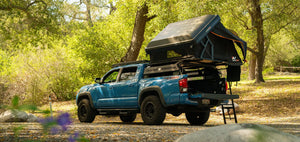
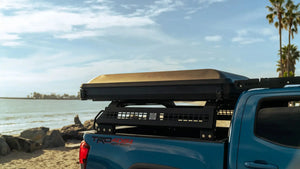
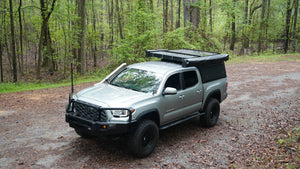
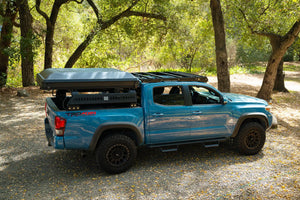
Yes. Keeping your rooftop tent mounted can be convenient if you plan to camp throughout winter.
However, prolonged exposure to rain, snow, road salt, and freezing temperatures requires extra attention.
Make sure the tent is fully closed and secured. Regularly inspect mounting brackets, locks, seals, and the exterior shell or travel cover.
Remove excessive snow accumulation safely before it places unnecessary stress on the structure. If possible, park in a sheltered location.
For areas with severe winter weather or extended periods of inactivity, removing the tent for indoor storage may offer better protection.
How to Store a Rooftop Tent Without a Garage
If indoor storage isn't available, choose a sheltered location with a firm, level surface.
Keep the tent elevated on a suitable rack rather than directly on the ground. Use appropriate weather protection while maintaining ventilation, and avoid tightly wrapping the tent in non-breathable plastic.
Ensure the storage setup provides stable support without placing excessive pressure on the shell or frame.
Rooftop Tent Winter Storage Checklist
Before leaving your tent unused for several months, make sure:
-
The fabric, shell, and interior are clean.
-
The mattress, seams, and floor are completely dry.
-
Hinges, locks, zippers, and mounting hardware are inspected.
-
Bedding and damp accessories are removed.
-
The tent is securely supported in a suitable location.
-
Periodic inspections are planned throughout winter.

How to Prevent Moisture and Mold During Storage
Even a clean rooftop tent can develop moisture problems when stored in humid conditions.
This is particularly important in the Pacific Northwest and coastal areas, where damp weather may continue throughout winter.
Inspect your stored tent periodically, especially after prolonged rainfall or significant temperature changes. Look for moisture, unusual odors, discoloration, or mildew.
When conditions allow, open the tent to inspect the interior and promote airflow. Desiccant packs may help manage residual humidity, but they cannot replace proper drying and ventilation.
Pay particular attention to mattress bases, corners, and fabric folds.
Tent construction also affects condensation control during camping. For example, the Naturnest Polaris 2 rooftop tent features a dual-layer fabric system designed to help reduce interior condensation in cold or humid conditions.
However, even condensation-resistant designs require thorough drying before long-term storage.

Still Camping in Winter? Stay Warm and Comfortable
Not everyone puts their rooftop tent away when temperatures drop. If you're planning cold-weather adventures, a few upgrades can help improve comfort.
Add a Compatible Thermal Layer
A thermal layer provides additional insulation inside your rooftop tent, helping reduce heat loss during cold nights.
Naturnest offers thermal layers for select Polaris and Sirius rooftop tents, including a dedicated option for the Naturnest Polaris Aero.
Compatibility varies between models. The Polaris Aero thermal layer, for example, must be removed before closing the tent.
Always check your model's requirements and use a temperature-rated sleeping bag for expected nighttime conditions.
Choose an Insulated Sleeping Surface
Cold air beneath your rooftop tent can contribute to heat loss while sleeping.
The Naturnest Inflatable Mattress for Polaris Series features an R-value of 7.8 and is designed to provide additional insulation and sleeping comfort during cold-weather camping.
Maintain Proper Ventilation
Even in winter, avoid sealing your tent completely. Breathing and damp gear introduce moisture that can condense on cold interior surfaces.
Keep suitable ventilation openings partially open and store wet equipment outside your sleeping area.
After each trip, dry the tent thoroughly before leaving it closed for an extended period.
Getting Your Rooftop Tent Ready for Spring
Before your first spring adventure, open your tent in a dry area and inspect it carefully.
Check for mildew, unusual odors, damaged fabric, and corrosion. Test zippers, hinges, support poles, and locking mechanisms to ensure they operate smoothly.
If the tent was removed from your vehicle, reinstall it according to the manufacturer's instructions and tighten mounting hardware to the specified torque.
Finally, air out your mattress and bedding, inspect your accessories, and make sure everything is ready for your next trip.
Frequently Asked Questions
Can freezing temperatures damage a rooftop tent?
Cold temperatures alone don't necessarily damage a rooftop tent, but freezing moisture can affect zippers, seals, and moving components. Avoid forcing frozen parts, and inspect your tent for ice buildup or material damage before opening it.
Can I close my rooftop tent when the fabric is frozen?
Avoid forcing frozen fabric, hinges, or zippers into position, as this may cause damage. If possible, allow ice to thaw naturally before closing the tent. Once thawed, dry any remaining moisture thoroughly before long-term storage.
Can rodents or insects damage a stored rooftop tent?
Yes. Rodents and insects may enter poorly secured storage areas and damage fabric, insulation, or other materials. Remove food and scented items, keep the surrounding area clean, and check for signs of pest activity during storage.
What should I do if my rooftop tent smells musty after storage?
A musty smell may indicate trapped moisture or mildew. Open the tent in a dry, ventilated area and inspect the fabric, mattress, and floor. Clean affected surfaces using manufacturer-approved products and allow everything to dry completely. If the odor persists, investigate hidden moisture or mold before using the tent.