- Jul 23
- By jiahaofu

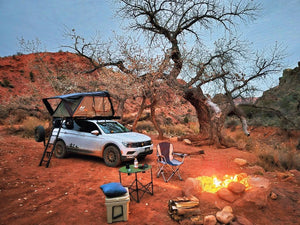
Between screens, schedules, and the relentless pace of urban life, genuine cognitive rest has become a luxury. The antidote is simple: optimize the 48 hours you already have. The true essence of vehicle camping is about self-reliant travel, scaled down into a weekend micro-adventure.
The Architecture of Modern Vehicle Camping
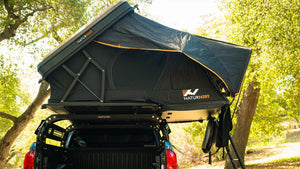
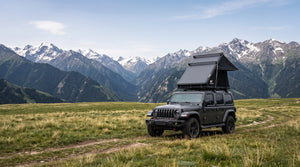
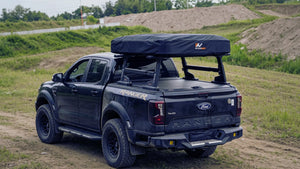
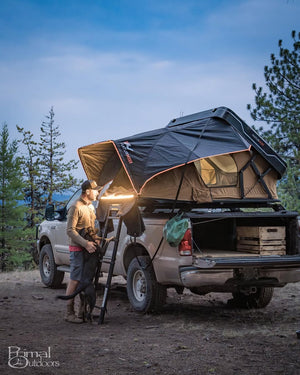
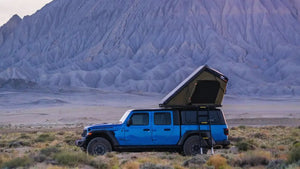
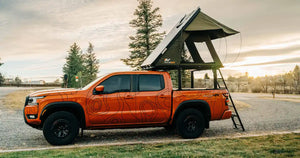
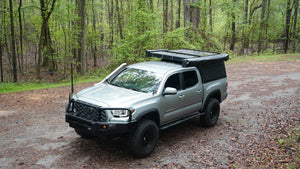
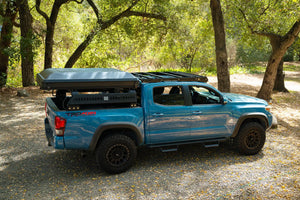
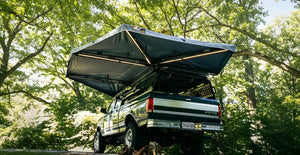
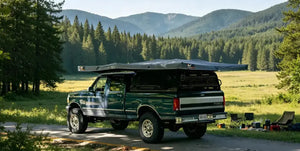
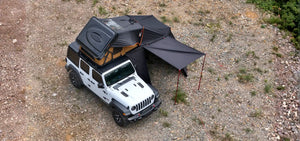
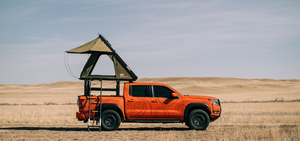
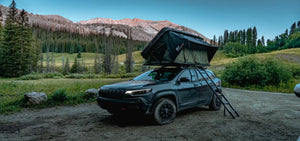
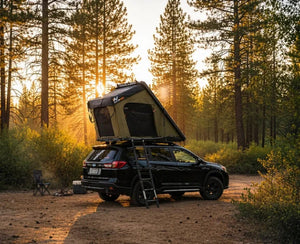
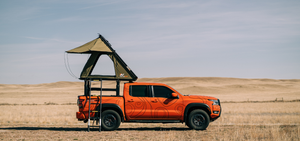
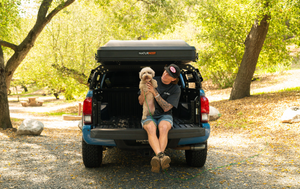
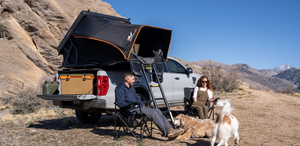
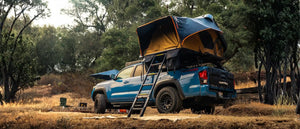
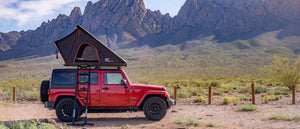
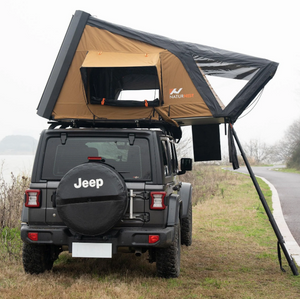
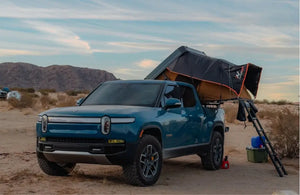
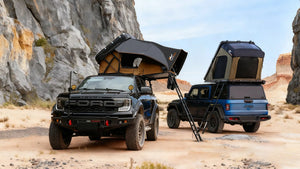
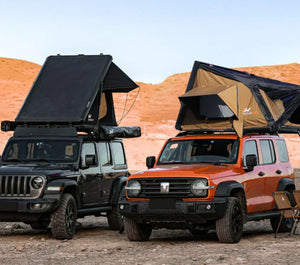
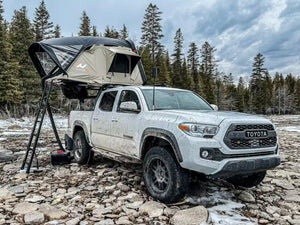
The greatest barrier to outdoor exploration isn't distance; it is the exhausting logistics of packing and setting up a complex camp in the dark. Modern camping culture solves this through operational efficiency. By investing in a hard shell rooftop tent, camp is established in under a minute. Integrated with the right overlanding gear, you eliminate the friction of departure and buy back your time.

Efficiency yields tranquility.
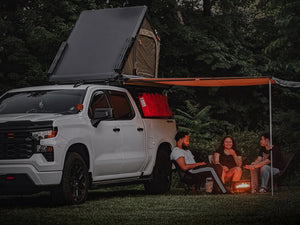
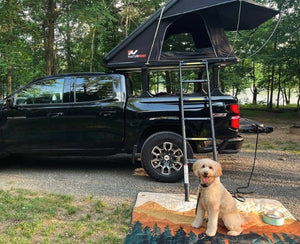
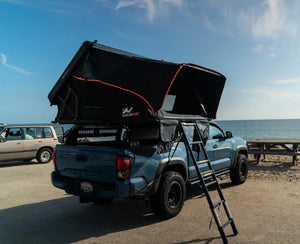
Customer Showcase
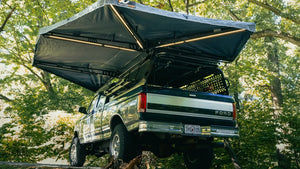
Read Next: Naturnest Rooftop Tent installed on my 2010 Toyota Tundra
Mastering Your Rooftop Tent Setup for Better Sleep
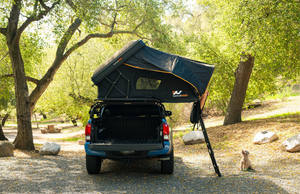
Having the gear is only half the equation. Knowing the nuances of how to sleep comfortably outdoors separates the novices from the veterans. A proper rooftop tent setup requires mastering a few simple, physics-based micro-adjustments to ensure you wake up fully rested.
1. The Foundation of Comfort: Leveling Your Rig
Sleeping on even a slight 3-degree slope can push you to one side of the tent all night, ruining your sleep quality. Instead of spending 20 minutes reversing in the dark looking for perfectly flat ground, utilize your recovery gear. Stacking recovery traction boards under your lowest tires acts as a fast, reliable leveling block to keep your mattress perfectly horizontal.
2. Breathing Room: Beating Rooftop Tent Condensation
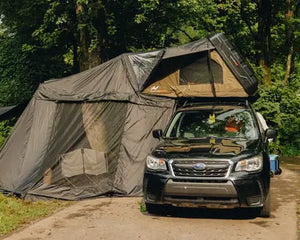
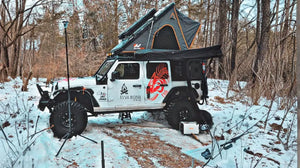
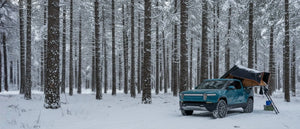
A sealed tent feels secure, but two adults exhale roughly a liter of warm water vapor overnight. When this warm air hits the cold interior walls of the tent, it condenses into water droplets. Over time, this rooftop tent condensation drips down, making your bedding damp and significantly lowering your body temperature. The counterintuitive fix? Always crack a top vent and a side window, even in freezing temperatures. This creates a thermal draft that pulls the moisture-heavy air out before it can condense.
Adventure is no longer measured by the miles you conquer, but by the friction you remove to reclaim your focus.
Intentional Disconnection on Weekend Camping Trips
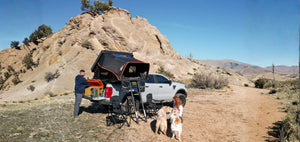
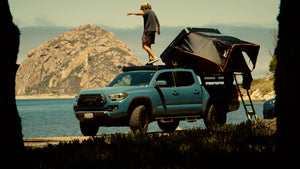
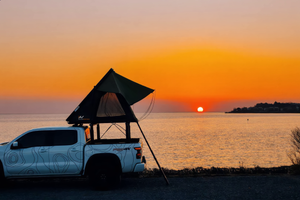
You don't need endless vacation days to explore. The wild is often waiting at the end of an unmarked forest service road just two hours from your driveway.
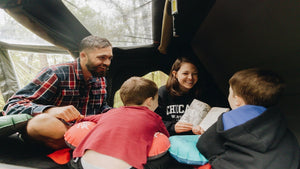
These weekend camping trips are an exercise in intentional disconnection. Stripping away the tedious chores of traditional camping provides a neurological recalibration. It is stepping away deliberately, ensuring that when Monday arrives, you haven't just passed the time—you have actively reset your mind for whatever comes next.
Community FAQ: Real Answers from Campers
Can I close the tent with all my bedding inside?
Some users note that closing the tent with thick blankets, sleeping bags, or pillows inside is not always possible, meaning you may need to remove them before packing up. Additionally, adding a thick aftermarket mattress topper can also prevent the shell from shutting properly. However, replacing the stock pad with a thinner air mattress is a popular modification that improves comfort while saving enough space to close the shell.
How do I stop moisture buildup during cold nights?
Condensation is a common physical reality, and some campers report needing to wipe down the interior walls every morning. To solve this, users highly recommend leaving a sufficient air gap to create cross-ventilation. With the proper airflow established, multiple people can sleep in the tent for several days without experiencing any condensation buildup at all.
Will the included mounting hardware fit my roof rack?
You should check your specific crossbar dimensions before installation, as the stock mounting brackets and under-bar plates might be too narrow to clear wider crossbars. If your vehicle features oversized bars, you will need to source wider aftermarket brackets to clamp underneath them securely.
How heavy is the tent and is it hard to lift?
Due to the robust shell materials, some larger models can weigh over 200 lbs. Because of this significant weight, getting the tent safely lifted and positioned onto your vehicle's roof rack is typically a job that requires 2 to 4 people.
Ready to Elevate Your Camp?
Stop wrestling with ground tents and start enjoying your weekends. Upgrade your vehicle with a durable, fast-deploying aluminum roof top tent designed for true four-season comfort.
Explore Naturnest Roof Top Tents