- Oct 15
- By FuAmelia
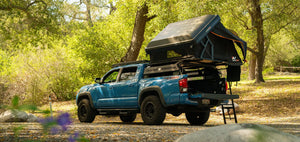
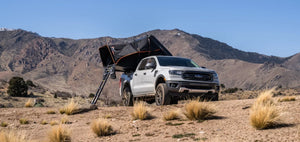
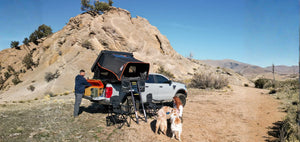
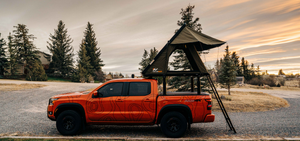
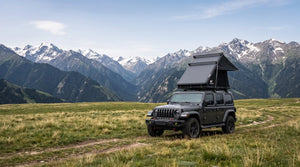
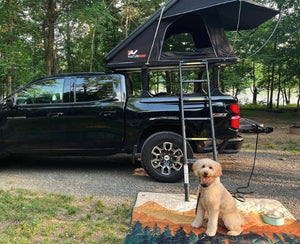
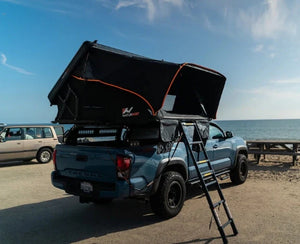
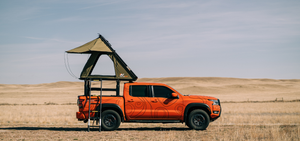
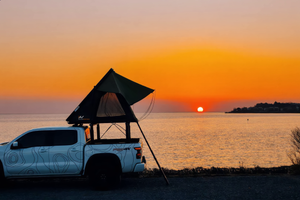
Camping is even better when your four-legged companion can join the adventure. From weekend road trips to longer outdoor getaways, a rooftop tent gives you a convenient way to camp while keeping a dedicated sleeping space above the ground.
Camping with a dog does require some extra planning. You’ll need to think about sleeping space, safe access to the tent, ventilation, cleanliness, and where to keep food and muddy gear. With the right setup, you can create a campsite that works comfortably for both you and your dog.
Here’s how to plan a safe and practical rooftop tent camping trip with your dog.

Choosing the Right Rooftop Tent for Camping With Your Dog
When choosing a rooftop tent, consider more than its advertised sleeping capacity. Your dog’s size, sleeping habits, and comfort level can all affect how much usable space you need.
Sharing the Rooftop Tent With Your Dog
If your dog is comfortable sleeping beside you, sharing the rooftop tent can be a convenient option. A small dog that curls up at your feet requires much less space than a large dog that stretches out, so consider your dog’s actual size and sleeping habits rather than relying only on the listed capacity.
Your dog should have enough room to lie down, turn around, and change positions without constantly disturbing everyone else. Before your trip, try arranging your bedding and camping equipment inside the tent to see how much space remains.
Your dog’s age, mobility, and temperament also matter. Dogs that are comfortable around heights may adapt quickly, while anxious, elderly, or less mobile dogs may be better suited to a ground-level sleeping arrangement.
Considering an XL Rooftop Tent
An XL rooftop tent can provide more flexibility when camping with two adults and a dog or when traveling with a larger breed.
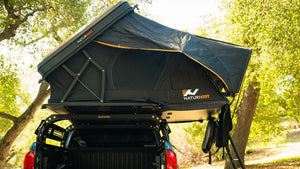
For example, the Naturnest Sirius 2 XL ABS has a sleeping capacity of three to four people and an unfolded size of approximately 74.8 × 86.6 inches (190 × 220 cm). The Naturnest Sirius 1 Plus XL measures approximately 80.7 × 74.8 inches (208 × 193 cm) when unfolded.
These dimensions are a useful starting point, but actual comfort depends on your sleeping arrangement, bedding, and dog’s size. Also check your vehicle’s roof-load limits, roof rack capacity, and the tent’s weight requirements before installation.

Keeping Your Dog Safe and Comfortable
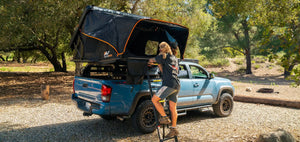
Because a rooftop tent is elevated, getting your dog in and out safely is one of the most important considerations.
Practice Before Your Trip
Introduce your dog to the rooftop tent before arriving at the campsite. Set it up at home and allow your dog to explore it gradually. Treats and positive reinforcement can help create a familiar and comfortable environment.
For small dogs, carrying them may be possible, but only if you can maintain secure footing and balance. Carrying a dog while climbing a ladder can make it harder to control your movement, so never do so if you cannot climb safely.
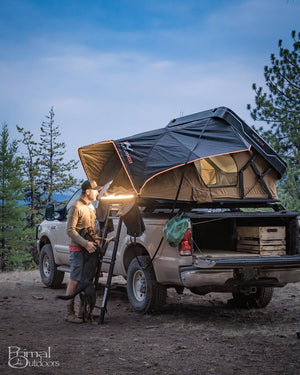
Larger dogs or dogs with limited mobility may benefit from a stable pet ramp with a nonslip surface and an appropriate weight rating. Practice with the ramp on the ground before using it at a campsite.
Always plan for getting down as well as getting up. A tired or excited dog may be less coordinated after a day outdoors.
Prevent Falls and Monitor Conditions
Dogs can react suddenly to wildlife, unfamiliar sounds, or movement around camp. Keep your dog away from exposed edges and supervise them whenever the tent entrance is open. Make sure doors, windows, and zippers are properly secured.
Avoid leaving a dog tethered around ladders or tent hardware where the leash could become tangled. Before each trip, check that the tent is properly installed, the ladder is stable, and the area around the vehicle is clear.
Temperature and ventilation are equally important. Keep the tent adequately ventilated during warm weather and watch for signs of overheating such as excessive panting, drooling, weakness, or unusual behavior. In cold conditions, provide suitable bedding based on your dog’s coat, age, and tolerance for low temperatures.
Never leave your dog unattended in a rooftop tent when weather or temperature conditions could become unsafe.
Keeping Your Dog Safe and Comfortable in a Rooftop Tent
A rooftop tent sits above the ground, so getting your dog in and out safely is one of the most important parts of planning your trip. You should also prepare the sleeping area for your dog's needs and pay attention to changing weather conditions.
Getting Your Dog Into and Out of the Tent
Don't wait until you arrive at the campsite to introduce your dog to a rooftop tent. Practicing at home can help your dog become familiar with the new environment before you're away from your usual routine.
Start by letting your dog explore the tent while it's set up at a safe, accessible height. Use treats and positive reinforcement to build a comfortable association with the space. If your dog is nervous, take your time rather than forcing them to climb or enter.
For a small dog, carrying them may be an option if you can do so securely. However, carrying a dog while climbing a ladder can affect your balance, so never attempt it if you cannot maintain a safe grip and stable footing.
For larger dogs or those with limited mobility, a suitable pet ramp may be worth considering. Choose one that is stable, has a nonslip surface, and is rated for your dog's weight. Practice using it on the ground before relying on it at a campsite.
Whatever method you choose, plan for getting down as well as getting up. Your dog may be tired, excited, or less coordinated after a day outdoors, so make sure you can help them descend safely.

Preventing Falls and Other Safety Risks
Dogs can react quickly to unfamiliar sounds, wildlife, or movement around a campsite. In a rooftop tent, a sudden jump or an attempt to follow you outside can result in a dangerous fall.
Keep your dog away from exposed edges and supervise them whenever the tent entrance is open. Check that doors, zippers, and windows are secured as intended, and don't assume your dog will remain in place simply because they're familiar with the tent.
Pay attention to leashes, too. A leash can become tangled around a ladder, tent hardware, or other equipment. Avoid leaving your dog tethered in a way that creates an entanglement or strangulation risk, particularly when you cannot supervise them.
It's also worth inspecting your setup before every trip. Make sure the tent is properly installed, the ladder is stable, and the surrounding area is clear enough for your dog to enter and exit without slipping.
Creating a Dog-Friendly Campsite
A dog-friendly campsite needs more than a comfortable sleeping area. Food, water, towels, leashes, muddy gear, and other supplies can quickly make a small camping setup feel crowded.
Keep the Rooftop Tent Clean
Before your dog climbs into the tent, wipe their paws and dry wet fur after walking through rain, wet grass, or muddy trails. Check their coat for leaves, burrs, and other debris, and check for ticks after outdoor activities.
A familiar blanket or dog bed can give your dog a comfortable place to settle while also helping contain dirt and loose hair. Keep wet towels, muddy clothes, and outdoor equipment in separate storage bags rather than placing them directly on the sleeping surface.
Organize Gear at Ground Level
Instead of keeping all your dog’s supplies inside the rooftop tent, create an organized ground-level area around the vehicle. Keep food, water bowls, towels, leashes, and cleaning supplies somewhere easy to reach.
Planning this layout before your trip can make everyday tasks much easier. You’ll have a designated place to clean muddy paws, refill water, and store wet gear without crowding your sleeping space.
Use an Annex Room for Additional Space
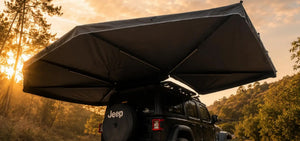
If you need more ground-level space, a compatible annex room can be a useful addition to your setup.
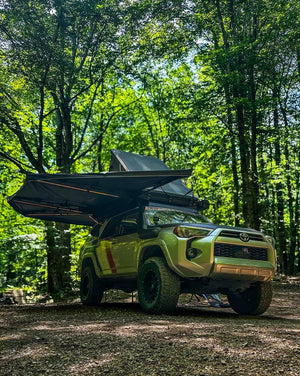
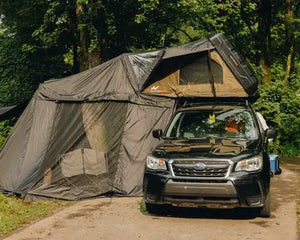
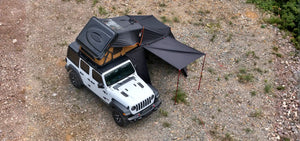
For example, the Naturnest Sirius 2 XL ABS can be paired with its corresponding Sirius 2 XL Annex Room to create additional space around the vehicle. Always check the product listing to confirm compatibility with your exact tent model.
An annex room can help organize pet supplies, muddy shoes, towels, and other camping gear while keeping the rooftop sleeping area cleaner. However, it should not automatically be treated as a kennel or unattended overnight sleeping space. Consider ventilation, temperature, security, campsite conditions, and your dog’s behavior before using the space.
The goal is to give each area a clear purpose: use the rooftop tent primarily for sleeping and the ground-level area for organizing gear and daily campsite activities.

What to Pack for a Rooftop Tent Camping Trip With Your Dog
A simple checklist can help you prepare for both everyday needs and unexpected outdoor conditions.
Dog Essentials
Bring enough food for the entire trip, plus a little extra in case plans change. Store food securely to keep it dry and reduce the chance of attracting wildlife.
Your basic dog camping checklist should include:
-
Dog food and treats
-
Fresh water and portable bowls
-
Leash, harness, and identification tag
-
Waste bags
-
Familiar dog bed or blanket
-
Towels for paws and wet fur
-
Favorite toys
-
First-aid supplies
-
Necessary medications
-
Appropriate tick and flea prevention
Depending on your dog and destination, you may also need a pet ramp, grooming supplies, or weather-appropriate clothing.
Rooftop Tent and Campsite Supplies
Bring bedding suitable for the weather, extra towels, cleaning cloths, and storage bags for wet or muddy gear. If you use a pet ramp, make sure it fits your setup and supports your dog’s weight.
Before departure, inspect the rooftop tent, ladder, and mounting system. If you are bringing an annex room, check its compatibility and plan how you will use the additional space.
You should also check campground pet rules and the weather forecast before leaving. Some campgrounds require dogs to remain leashed or restrict access to certain areas. Extreme heat, severe storms, and very cold weather may require you to change your plans.
Finally, follow your vehicle and roof rack load limits and the rooftop tent manufacturer’s installation requirements.
FAQ
How Do I Keep a Rooftop Tent Well-Ventilated When Camping With Dogs?
Keep windows and ventilation openings partially open to encourage airflow, even during cooler nights. Use mesh screens to allow fresh air inside while keeping insects out. Avoid blocking ventilation openings with bedding or camping gear.
During warm weather, choose a shaded campsite when possible and monitor your dog's comfort. Never leave your dog unattended in a closed rooftop tent, as interior temperatures can rise quickly.
How Can I Help My Dog Get Into a Rooftop Tent Safely?
Introduce your dog to the rooftop tent before your trip and practice entering and exiting in a controlled environment.
Small dogs may be carried when it is safe to do so, but carrying a dog while climbing a ladder can affect your balance. For larger dogs, consider a stable pet ramp with a nonslip surface and an appropriate weight rating.
Never force a nervous dog to climb, and always supervise your dog near the tent entrance.
Will I Have Enough Room for My Dog in a Rooftop Tent?
An XL rooftop tent may be useful if you are camping with a larger dog, two adults and a dog, or extra bedding and equipment. Models such as the Naturnest Sirius 2 XL ABS and Sirius 1 Plus XL provide larger sleeping areas than smaller-capacity options.
Before choosing a tent, consider your dog's actual size, sleeping habits, the number of campers, and your preferred sleeping arrangement. Also check your vehicle's roof-load limits and roof rack capacity.
Can Dogs Sleep in a Rooftop Tent During Hot or Cold Weather?
Dogs can camp in a rooftop tent in mild weather, but extreme temperatures require extra precautions.
In warm conditions, maintain airflow, provide fresh water, and watch for signs of overheating. During colder nights, use suitable bedding and consider your dog's breed, coat, age, and temperature tolerance.
Avoid camping in conditions where you cannot maintain a safe sleeping temperature for your dog.
How Can I Keep the Tent Clean When I Bring My Dog?
Wipe your dog's paws before bedtime, dry wet fur, and check for leaves, mud, and other debris after outdoor activities. Bring extra towels and a familiar blanket or dog bed to help contain dirt and loose hair.
Keep wet gear in separate storage bags, and clean the tent's sleeping surfaces regularly.