- Jun 22
- By xiaoxiaoWu

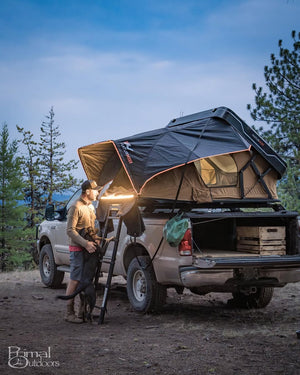
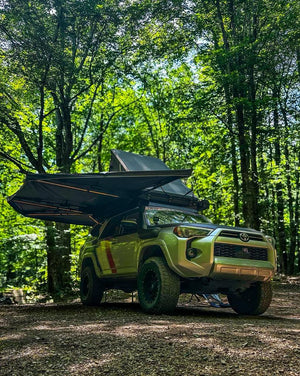
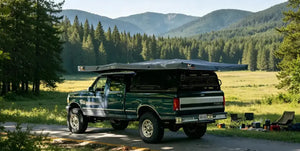
Rooftop tents have changed how people camp in North America. Instead of struggling with uneven ground, wet soil, or long setup times, you can simply park your vehicle, unfold your tent, and be ready to sleep within minutes.
As camping has shifted toward road trips and overlanding, one factor has become more important than anything else: weight. It affects not only comfort, but also safety, fuel efficiency, and what kind of vehicle you can realistically use.
Why Weight Matters More Than Most People Expect
Rooftop tents sit at the highest point of your vehicle. Even small weight differences can noticeably change driving behavior, especially on highways, mountain roads, and in windy conditions.
Heavier setups increase fuel consumption and put more stress on roof racks, while also limiting compatibility with compact SUVs and crossovers.
Which Rooftop Tent Is Right for You: Lightweight vs Hardshell
Lightweight Rooftop Tents
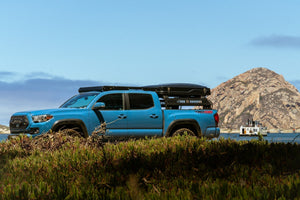
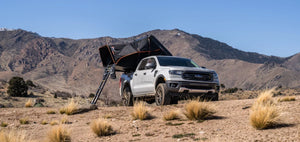
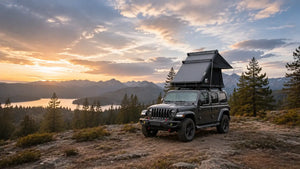
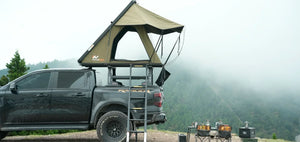
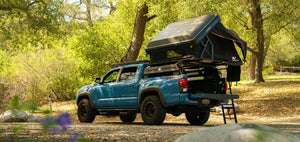
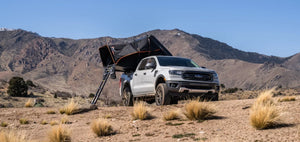
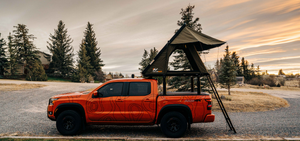
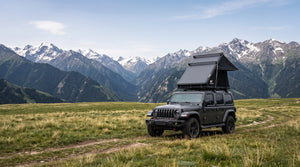
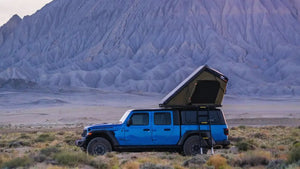
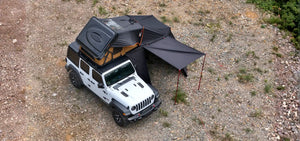
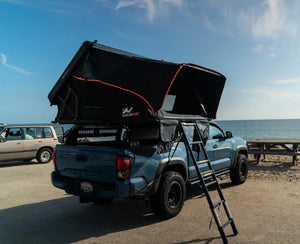
Boasting an aerodynamic structure that lowers wind resistance and boosts fuel efficiency, lightweight rooftop tents fully set up in under one minute. They are ideal for quick roadside stops and remote backcountry camping trips.
These tents prioritize reduced weight and compact design. They are easier to install, easier to remove, and significantly more fuel-efficient over long distances.
For most weekend campers and road trip users, they offer the best balance between convenience and performance.
Traditional Hardshell Tents
Heavier rooftop tents focus on space, insulation, and premium materials. They perform better in extreme weather but require stronger roof systems and reduce overall vehicle efficiency.
They are often preferred by full-time overlanders or cold-weather campers.
Model Comparison: Polaris Lite / Polaris Plus / Polaris 2
| Spec Details | Polaris Lite | Polaris Plus | Polaris 2 |
|---|---|---|---|
| Capacity | 2 People | 2 People | 2 People |
| Total Weight | 120.6 LBS / 54.46 kg | 165.65 LBS / 75.14 kg | 170.85 LBS / 77.5 kg |
| Close Size (Folded) | 82.68"L × 51.18"W × 4.3"H (210×130×11cm) |
82.68"L × 51.18"W × 7.09"H (210×130×18cm) |
82.68"L × 51.18"W × 7.09"H (210×130×18cm) |
| Open Size (Inner) | 82.68"L × 51.18"W × 63.38"H (210×130×161cm) |
82.68"L × 51.18"W × 59.06"H (210×130×150cm) |
82.68"L × 51.18"W × 59.06"H (210×130×150cm) |
| Mattress Size | 78.74"L × 47.24"W × 2.36"H (200×120×6cm) |
78.74"L × 47.24"W × 1.97"H (200×120×5cm) |
78.74"L × 47.24/45.28"W × 1.97"H (200×120/115×5cm) |
| Shell Material | PHC Composite Material | Aluminum Alloy | Aluminum Alloy |
| Recommended Vehicle | small cars and SUVs | Mid-size SUVs, crossovers, pickups | Mid-size SUVs, crossovers, pickups |
All three models suit different types of travelers. The real difference is not just comfort—it’s how the tent changes your driving experience and travel flexibility.
What Lightweight Rooftop Tents Improve in Real Use
Driving Efficiency
Reduced weight helps improve fuel economy on long highway trips.
Everyday Convenience
Many users prefer lightweight tents because they can mount or remove them without permanent installation setups.
Vehicle Compatibility
They open rooftop camping to more vehicles, including smaller SUVs that cannot safely support heavier systems.
Road Stability
A lower overall roof load helps maintain balance in wind, sharp turns, and uneven terrain.
NATURNEST Polaris Lite
Polaris Lite is built for travelers who prefer to keep things simple on the road.
It’s designed for people who move often, camp spontaneously, and don’t want their gear to slow them down. Setup and pack-down are straightforward, and the overall footprint stays light enough that it doesn’t feel like a burden on your vehicle.
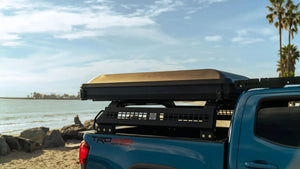
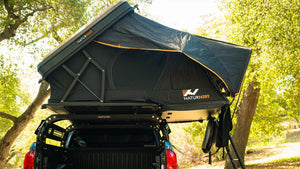
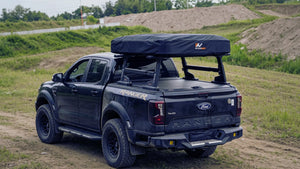
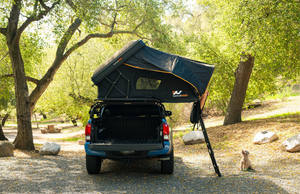
Constructed with polyurethane honeycomb composite PHC shell, Polaris Lite ranks among the thinnest hardshell rooftop tents available on the market. It features minimized wind drag, optimized fuel economy and a minimalist modern overland appearance.
Inside, it comes equipped with an eco-friendly inflatable mattress, delivering a home-like level of sleeping comfort. The lightweight yet durable fabric and construction also ensure excellent breathability, making it especially comfortable for summer use.
Despite its minimal profile, Polaris Lite is built for real-world conditions. It offers shock resistance and full weather protection, capable of handling heavy rain, hail, strong winds, and rough off-road terrain with confidence.
In short, it’s a practical rooftop camping option for those who see camping as part of the journey—not the main event, but a comfortable way to rest wherever the road happens to lead.

How to Choose the Right Rooftop Tent
When selecting a rooftop tent, several key factors should be considered:
-
Vehicle capacity: Always verify dynamic and static roof load limits before installation
-
Travel style: Weekend camping, overlanding, and long-distance road trips require different setups
-
Durability: Waterproof fabric and reinforced stitching matter more than cosmetic features
-
Setup speed: Faster deployment improves real campsite usability significantly
-
Long-term use: Consider whether you will keep it mounted or remove it seasonally

Final Takeaway
Lightweight rooftop tents represent a shift in how people approach outdoor travel. Instead of maximizing size and insulation, they prioritize mobility, efficiency, and real-world usability.
For most travelers today—especially weekend campers and road trip users—they provide a more practical balance than traditional heavy systems.
Frequently Asked Questions
How heavy is a typical lightweight rooftop tent?
Most models fall between 90 and 150 pounds depending on size and materials.
Will a lightweight rooftop tent affect gas mileage?
Yes, but less than heavier models. Reduced weight and lower wind resistance help improve fuel efficiency.
Does a lightweight rooftop tent last as long as a classic one?
Yes. Polaris Lite’s PHC composite shell resists UV damage, hail and cracking better than traditional ABS hard shells. Its heavy-duty waterproof fabric and reinforced hardware match classic tents in durability, offering the same long service life without extra weight.
Do I need roof crossbars to install Polaris Lite?
Yes. Horizontal roof crossbars are required for secure mounting to evenly spread the tent’s weight. Cars with only vertical side rails need extra crossbars before installation.
Who benefits most from lightweight rooftop tents?
They are ideal for road trippers, weekend campers, and anyone who values quick setup and vehicle flexibility.