- Jul 06
- By Wuxiaoxiao
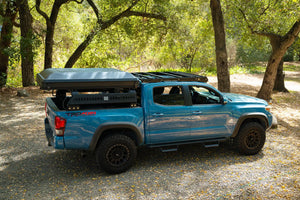
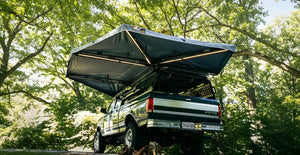
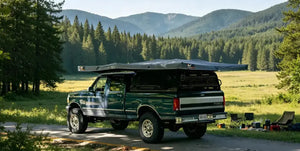
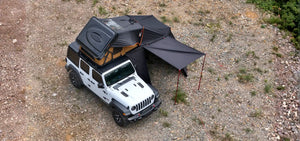
For many rooftop tent owners, especially those with ABS hard shell models, long-term sun exposure is a major concern. Constant UV exposure during hot summer months can cause ABS materials to fade, lose flexibility, and become more brittle over time.
Since rooftop tents are designed for outdoor adventures, protecting them from harsh weather and UV damage is key to extending their lifespan. Proper care and a quality rooftop tent cover can help reduce sun exposure and keep your tent performing at its best for years to come.
Why UV Damage Is a Real Problem for RTT Owners
Rain, dust, humidity, and trail dirt are easy to notice. UV damage, however, often develops slowly and stays unnoticed until the fabric begins to fade, stiffen, or lose its water-repellent performance.
That’s why proper rooftop tent care should not start only after a muddy adventure. Protecting your tent from sun exposure and environmental stress before visible damage appears is the key to extending its lifespan.

Why Rooftop Tent Care Matters
Even high-quality rooftop tent systems are constantly exposed to outdoor conditions, including UV rays, rain, dust, humidity, and temperature changes.
Rooftop tents which are designed with waterproof fabrics, UV-resistant coatings, and reinforced stitching to handle outdoor adventures. However, regular maintenance is still important to keep these materials performing at their best.
Without proper care, long-term exposure may lead to:
- Mold and mildew growth
- Fabric odor
- Color fading and UV damage
- Reduced waterproof performance
- Faster aging of materials
Simple maintenance habits can significantly improve the durability and comfort of your rooftop tent.

Always Dry Your Rooftop Tent First
Never store a wet rooftop tent.
Even when the outer surface feels dry, moisture can remain inside seams, corners, zippers, and folded fabric layers. Trapped moisture creates the perfect environment for mold and unpleasant odors.
Proper drying steps:
- Fully open the rooftop tent in a well-ventilated area
- Wipe moisture from fabric and surfaces
- Allow 30–60 minutes of airflow
- Let the tent air-dry thoroughly before packing it away
This simple step is one of the most effective ways to prevent mold and extend fabric life.
What If You Have to Pack Up a Wet Rooftop Tent?
Sometimes weather conditions make it impossible to fully dry your rooftop tent before packing up. If you need to close your tent while it’s still damp, make sure to reopen it and allow it to dry completely as soon as you get home.
Avoid leaving a wet tent folded for several days, as trapped moisture can lead to mold, odors, and fabric damage. Before storage, check hidden areas such as seams and around the mattress surface, and make sure all moisture is removed.
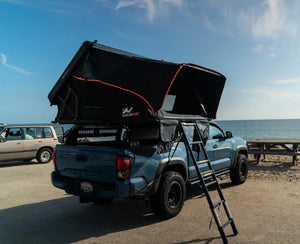
Beach & Coastal Use: Sand and Salt Care
Beach camping creates additional challenges for rooftop tents.
Sand can become trapped in zippers, hinges, and folding areas, while salt from coastal air can gradually affect metal components and protective coatings.
Before closing your tent:
- Remove sand with a soft cloth or brush
- Clean zippers and hinges carefully
- Avoid forcing sand into moving parts
After coastal trips:
- Wipe surfaces with a damp cloth to remove salt residue
- Allow the tent to dry completely
- Check hardware for signs of corrosion
Regular cleaning after beach use helps prevent small issues from becoming long-term damage.
UV Protection: Prevent Long-Term Damage
UV exposure is one of the most overlooked factors in rooftop tent maintenance.
Sunlight does more than fade colors. Over time, UV rays can weaken waterproof coatings, reduce fabric flexibility, and make materials feel stiff.
Common signs of UV damage include:
- Fabric fading
- Reduced water resistance
- Stiffer or more brittle materials
How to protect your rooftop tent from UV damage:
- Avoid leaving your tent exposed to direct sunlight for extended periods when possible
- Park in shaded areas during long stops
- Use a protective cover during storage or long-term parking
Can You Wax a Rooftop Tent?
For hard shell rooftop tents, waxing can provide an additional layer of protection.
Similar to vehicle exterior care, a quality marine wax or automotive wax with UV inhibitors can help protect the hard shell from:
- UV fading
- Oxidation
- Surface aging
- Dirt and environmental buildup
For rooftop tents that stay outdoors year-round, applying wax every few months can help maintain the shell’s appearance and durability.
For soft shell tents and fabric covers, traditional wax is not recommended. Instead, use a UV protectant designed for outdoor fabrics, such as Aerospace Protectant, which helps reduce UV-related fading and material aging without affecting fabric performance.
Safe Rooftop Tent Cleaning Method
When cleaning your rooftop tent, gentle care is usually enough. Strong chemicals and aggressive cleaning methods can damage waterproof coatings and fabric treatments.
Recommended cleaning method:
- Use lukewarm water
- Use a soft sponge or microfiber cloth
- Gently wipe away dirt and stains
Avoid:
- High-pressure washing
- Hard scrubbing
- Strong chemical cleaners
Regular light cleaning is much safer than occasional aggressive cleaning.
Proper Rooftop Tent Storage
Storage conditions have a major impact on rooftop tent lifespan.
A tent that is stored wet, dirty, or under constant sunlight will age much faster.
Before storing:
- Make sure the tent is completely dry
- Check seams, corners, and folds
- Remove any trapped moisture or debris
Ideal storage conditions:
- Dry and ventilated area
- Away from direct sunlight
- Optional moisture absorber for long-term storage
A protective cover can provide an additional layer of defense against dust, UV exposure, and weather changes.
Why the Naturnest Rooftop Tent Cover Helps
The Naturnest Rooftop Tent Cover provides durable, waterproof protection for your rooftop tent. It installs in minutes and helps keep your tent protected on the road or during long-term storage. Designed to withstand UV exposure, dust, road debris, and changing weather conditions, this secure-fitting cover makes storage easier while helping extend the life of your tent.
Before purchasing a rooftop tent cover, it’s important to confirm your tent model first. Different rooftop tent series require different cover sizes and designs for the best fit and protection.
Choose the Right Cover for Your Rooftop Tent
Polaris Rooftop Tent Cover
Compatible with:
- Polaris 1
- Polaris Plus
- Polaris 2
- Polaris Lite
Sirius Series Rooftop Tent Cover
Available in two sizes:
1.6m Cover
Compatible with:
- Sirius 1 Plus
- Sirius 2
- Sirius 2 Aluminum
1.9m Cover
Compatible with:
- Sirius 2 XL
- Sirius 2 Aluminum XL
- Sirius 1 Plus XL
Note: These covers are not compatible with Polaris Andromeda or Orion Series rooftop tents.
Choosing the correct cover based on your rooftop tent model ensures a secure fit and provides better protection against sun exposure, dirt, weather, and everyday wear.
With the right rooftop tent Cover, your rooftop tent stays cleaner, better protected, and ready for your next adventure.

FAQ
1. How much does the Polaris Rooftop Tent Cover weigh?
The Polaris Rooftop Tent Cover weighs 5.77 lbs / 2.62 kg. It is lightweight and easy to handle while providing reliable protection for your rooftop tent.
2. Can I drive with the Naturnest rooftop tent cover on?
Yes, but it is not recommended, as driving with the cover attached increases wind noise and wind resistance. For a better driving experience, we recommend removing the cover before travel and using it during storage or long-term outdoor exposure.
3. Is the Naturnest rooftop tent cover UV-resistant and waterproof?
Yes.
The Naturnest Rooftop Tent Cover features a durable, waterproof fabric with UV-resistant properties. Designed for extreme weather conditions, it helps protect your rooftop tent from sun exposure, rain, and everyday outdoor elements.
4. Will waxing damage my rooftop tent?
No. Proper waxing or using a suitable UV protectant can help protect your tent materials from sun exposure and weathering. For the best results, we recommend having your rooftop tent professionally waxed and maintained at a specialized detailing shop.
5. How long does it take to install the Naturnest rooftop tent cover?
The cover attaches in minutes.
It is quick and easy to install or remove whenever needed.
6. Can a cover be used when installing luggage rods?
No. To minimize wind resistance, the cover is designed to fit snugly against the rooftop tent once the luggage rods are installed, the cover can no longer be fitted.