- Nov 03
- By YeHZ
Camping is about more than finding a place to sleep. Whether you're heading out for a weekend road trip, exploring off-road trails, or spending several days at a campsite, having a comfortable outdoor space can make a big difference.
However, traditional camping setups often leave one important area overlooked: the space around your vehicle.
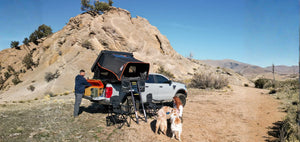
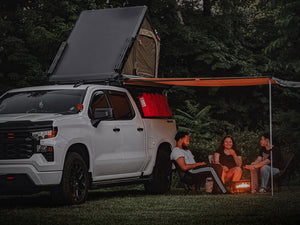
A car awning tent can turn that unused area into a practical outdoor living space. It provides shade, creates a sheltered spot for meals, and gives you a more organized place to relax or store your camping gear.
But not every camping setup requires the same type of shelter. Some campers only need basic overhead protection, while others want additional privacy or an enclosed area for longer trips.
In this guide, we'll explore different vehicle awning options, explain how camping extensions work, and help you choose a setup that matches your outdoor lifestyle.
What Is a Car Awning Tent?
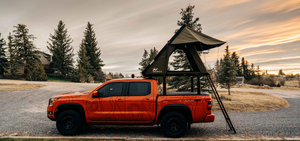
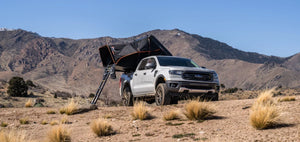
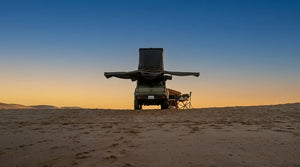
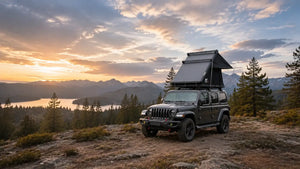
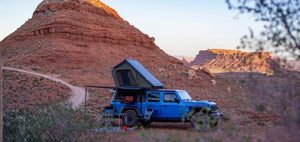
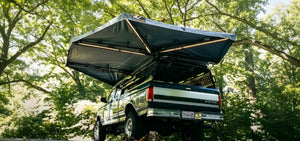
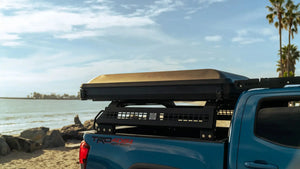
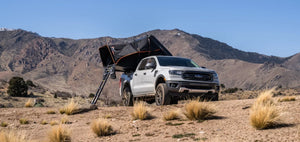
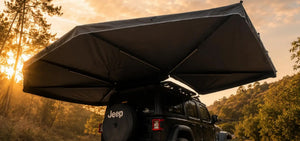
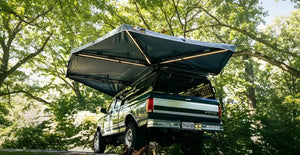
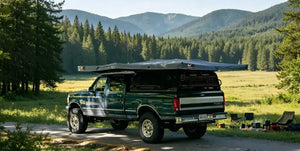
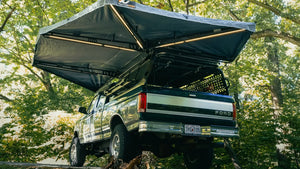
A car awning tent is a vehicle-mounted shelter that extends outward from the side or rear of a vehicle. Unlike a traditional ground tent, it uses your vehicle as its mounting point and creates additional covered space without requiring a completely separate shelter.
Most vehicle awnings are installed using compatible roof racks or mounting brackets. Once secured, they can be unfolded at the campsite to provide shade and protection from changing weather conditions.
Why Do Campers Choose Vehicle Awnings?
A vehicle awning offers several practical benefits:
- Extra shade: Create a comfortable shaded area during sunny days.
- Weather protection: Provide shelter from light rain and changing outdoor conditions.
- More usable space: Make room for outdoor cooking, dining, and relaxing.
- Better organization: Keep camping equipment and frequently used items within easy reach.
- Flexible camping setups: Combine an awning with other camping accessories to create a more functional basecamp.
For road trips and overlanding adventures, a vehicle awning makes it easier to enjoy the area around your vehicle instead of staying inside it.
Choosing the Right Vehicle Awning for Your Camping Style
One of the most important decisions when choosing a car awning tent is how much coverage you actually need.
Different awning designs provide different coverage areas and suit different camping styles.
90-Degree Awning: Simple and Practical Shade
A straight-pull or 90-degree awning is a practical option for campers who want basic shade along one side of their vehicle.
It works well for:
- Short camping stops.
- Weekend road trips.
- Simple outdoor cooking areas.
- Campers who prefer a compact setup.
If you mainly need protection from direct sunlight while taking a break or preparing food, a straightforward awning may be all you need.
180-Degree Awning: Flexible Side and Rear Coverage
A 180-degree awning provides a wider coverage area than a traditional straight awning.
Depending on its design and mounting position, it can extend around part of the vehicle to create a more versatile sheltered area.
This option is worth considering if you frequently change campsites and want additional shade without choosing a larger wraparound system.
270-Degree Awning: More Room Around Your Vehicle
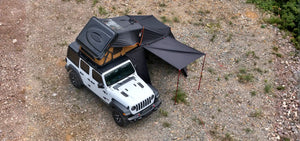
A 270-degree car awning is designed to extend around a larger portion of your vehicle, creating a wider covered area.
It is particularly useful for:
- Family camping trips.
- Outdoor dining and cooking.
- Multi-day overlanding adventures.
- Campers who need more space for chairs and equipment.
For campers who want even more room, the Naturnest 270 Plus Car Awning offers approximately 12㎡ (129 ft²) of covered space.
The right choice depends on your available mounting space, vehicle setup, and how much room you want at camp.
360-Degree Awning: Broader Vehicle Coverage
A 360-degree awning is designed to provide coverage around more sides of a vehicle.
It can be useful for campers who want a larger sheltered footprint and greater flexibility when arranging their outdoor living area.
Before choosing one, consider your vehicle dimensions, mounting position, available campsite space, and the time needed for setup.
The goal is not necessarily to choose the largest awning. It's to find a design that provides enough usable coverage without making your camping setup unnecessarily complicated.
How to Expand Your Camping Shelter
An open vehicle awning provides shade, but some camping situations require more privacy or enclosed space.
This is where camping extensions become useful. However, different accessories are designed for different purposes, so it's important to understand their differences before purchasing.
Wall Room: Create an Enclosed Space Under Your Awning
A wall room adds enclosure to a compatible vehicle awning, helping transform an open shaded area into a more private camping shelter.
It can be useful for:
- Changing clothes.
- Storing camping equipment.
- Creating a sheltered dining area.
- Adding privacy during longer camping trips.
The Naturnest Wall Room for 270 Plus is designed specifically for the compatible 270 Car Awning Plus.
Remember to check the awning model and vehicle-side configuration before ordering. A wall room is not a universal accessory for every vehicle awning.
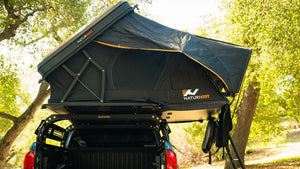
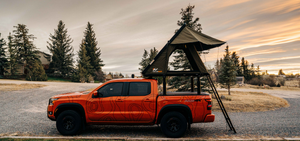
Annex Room: Extend Your Rooftop Tent Living Space
A rooftop tent annex serves a different purpose from a vehicle awning wall room.
It attaches to a compatible rooftop tent and extends the sleeping area toward the ground, creating additional usable space.
Depending on the setup, it can be used for:
- Changing clothes.
- Storing bags and camping equipment.
- Creating a private ground-level area.
- Providing additional sheltered space for longer trips.
For example, the Naturnest Sirius 2 Annex Room is designed specifically for the Naturnest Sirius 2 rooftop tent.
Always check the exact tent model before choosing an annex. Different rooftop tent models may require different accessories.
For more details, read our Unlock Your Basecamp: The Rooftop Tent with Annex Guide
Shower Room: Add Privacy for Outdoor Activities
A shower room is designed for campers who want a dedicated private space for changing clothes, showering, or freshening up outdoors.
Unlike a large awning wall enclosure, a shower shelter focuses on privacy and convenient personal use.
The Naturnest Shower Room features a quick-deploy structure, blackout privacy fabric, a removable PVC floor, a retractable roof, and built-in LED lighting.
It can be a practical addition to overlanding trips, remote campsites, and longer outdoor adventures.
What to Consider Before Buying a Vehicle Awning
Choosing the right car awning tent involves more than comparing coverage areas. A few important details can help you avoid compatibility issues and make your camping setup more convenient.
Vehicle Compatibility and Mounting Requirements
Before purchasing an awning, check whether your vehicle has a suitable roof rack or crossbar system.
Pay attention to:
- Roof rack compatibility.
- Mounting bracket requirements.
- Available mounting space.
- Vehicle and rack load ratings.
- Driver-side or passenger-side installation options.
Never assume that every awning fits every vehicle. Check the product's installation requirements and confirm that your mounting system is suitable.
Coverage Area and Available Space
Think about how you plan to use the shelter.
If you mainly need shade for two people and a small cooking area, a compact awning may be enough.
For family trips or longer stays, a larger coverage area may provide more flexibility.
Also consider the space available at your usual campsites. A larger awning needs enough room to unfold and be properly secured.
Weather Resistance and Stability
Outdoor conditions can change quickly, so fabric quality, frame construction, and anchoring options all matter.
Look for materials designed to provide UV protection and resistance to rain. Also check whether the awning includes support poles, stakes, and guy lines.
Even a well-designed awning needs to be secured correctly. Follow the manufacturer's instructions and avoid using the shelter in conditions beyond its stated operating limits.
Setup Time and Storage
A camping shelter should make your trip easier, not create unnecessary work.
Consider how quickly the awning can be deployed, whether one person can manage the setup, and how much storage space it requires when packed.
If you move between campsites frequently, a simpler setup may be more convenient than a large system with multiple extensions.
Building a More Comfortable Vehicle Camping Setup
A well-planned vehicle camping setup should match the way you travel.
You don't need every available accessory to create a comfortable campsite. Start with the essentials and add extra components based on your needs.
For Weekend Road Trips
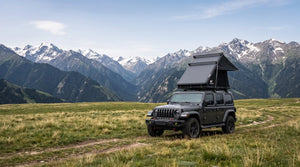
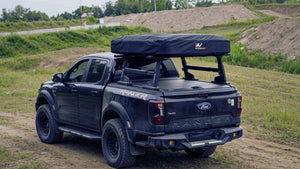
A rooftop tent and a basic vehicle awning can provide a convenient combination of sleeping space and daytime shade.
This setup works well for travelers who prefer quick stops and flexible campsite arrangements.
For Family Camping and Longer Trips
A larger 270-degree awning can create more room for outdoor dining, relaxing, and organizing equipment.
Adding a compatible wall room can provide additional enclosure and privacy when needed.
For Overlanding and Extended Adventures
For longer journeys, consider combining a rooftop tent, a compatible annex room, and a dedicated shower room.
Each component serves a different purpose, helping you create a more organized campsite while keeping sleeping, storage, and personal-use areas separate.
The best setup is the one that fits your vehicle, your travel habits, and the conditions you expect to encounter.
Frequently Asked Questions
What types of vehicle awnings does Naturnest offer? +
Naturnest offers four main awning types:
| Model | Coverage Area | Setup Time | Key Feature |
| 90 Straight Pull Awning | ~43 ft² (4 m²) | ~30 seconds | Compact, aluminum poles, 280G ripstop canvas |
| 180 Awning | 81.5 ft² (7.57 m²) | ~30 seconds | Freestanding, no poles needed, 320G polycotton ripstop, 4 LED light strips |
| 270 Plus Awning | 129 ft² (12 m²) | ~30 seconds | 6 aluminum support arms, freestanding, 280G fabric, tri-color LED |
| 270 Plus X-TEND Awning | 139.9 ft² (13 m²) | Under 1 minute | Telescoping arms, compact packed length (66.9 in), 420D Oxford fabric, 6 LED lights |
| 360 X-Tend Awning | 148.5 ft² (13.8 m²) | Under 1 minute | Full vehicle coverage, 8 tri-color LED strips, skylight, Polaris RTT compatible, 420D Oxford fabric |
Does the 360 X-Tend Awning connect to rooftop tents? +
Yes. The 360 X-Tend Awning features an integrated rear skylight opening that connects directly to Polaris Series Rooftop Tents, allowing you to move between your sheltered living space and rooftop tent without stepping outside.
Do Naturnest awnings come with built-in LED lighting? +
Yes. Most models include integrated LED lighting:
-
90 Straight Pull: No built-in LED
-
180 Awning: 4 tri-color LED light strips
-
270 Plus: Tri-color LED (USB-powered)
-
270 Plus X-TEND: 6 integrated LED lights
-
360 X-Tend: 8 tri-color LED light strips
What is a wall room and is it compatible with all awnings? +
A wall room adds enclosure to a compatible vehicle awning, creating a private space for changing, storage, or dining. The Naturnest Wall Room for 270 Plus is designed specifically for the 270 Plus awning series — it cannot be used separately or with other awning models. It's made of 280g polyester-cotton fabric, accommodates 3–4 people, and stands 86.6 in (2.2 m) tall.
What should I check before buying a vehicle awning? +
-
Roof rack compatibility (T-slot cross bars required for 90 Straight Pull)
-
Mounting bracket requirements
-
Available mounting space and vehicle load ratings
-
Driver-side or passenger-side installation (180 Awning supports both)
-
Coverage area vs. available campsite space
-
Weather resistance and fabric material
-
Setup time and packed storage size