- Jun 01
- By LiChris
The Freedom of Leaving the Pavement Behind

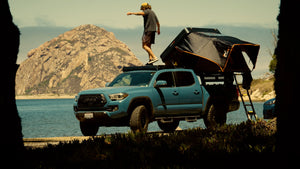
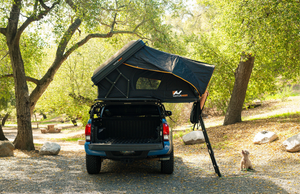
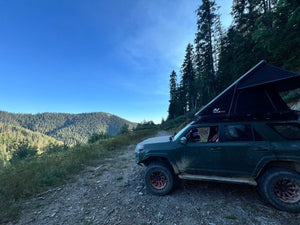
Overlanding today is no longer limited to easy trails. Adventurers now explore: desert dunes, mountain passes, dense forests, and off-grid remote regions. These extreme environments demand durable, weatherproof, and fast-deployable equipment.
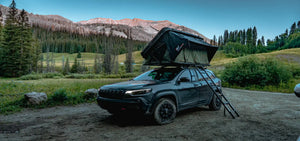
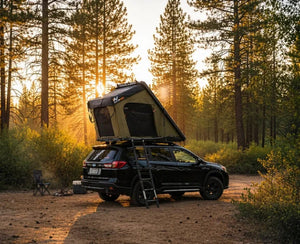
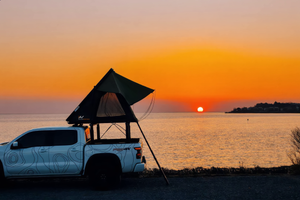
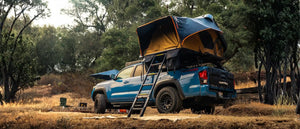
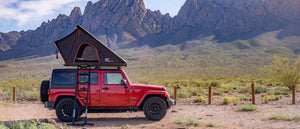
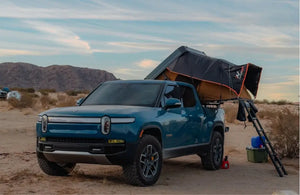
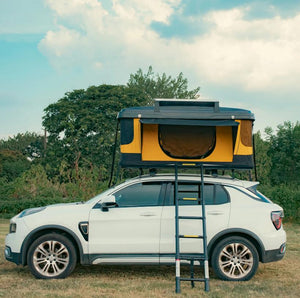
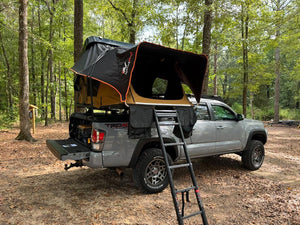
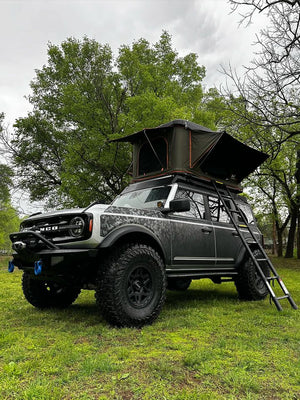
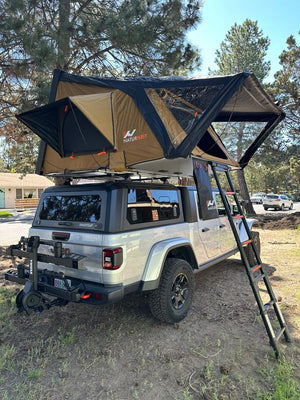
Modern overlanding is no longer just about reaching a campsite. It’s about mobility, independence, and the ability to stop almost anywhere and instantly create a comfortable living space. That shift is exactly why the hard shell rooftop tent has become one of the most important upgrades for serious adventurers.
Today’s explorers want gear that moves as efficiently as they do — equipment that can survive harsh weather, reduce setup time, and provide reliable comfort in remote environments.
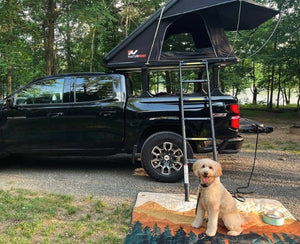
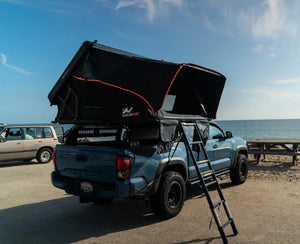
For every roof nest camper chasing mountain trails, desert roads, and off-grid weekends, a hard shell RTT is no longer just camping gear. It becomes part of the vehicle itself.
Built Like Armor: Hard Shell vs Soft Shell RTTs


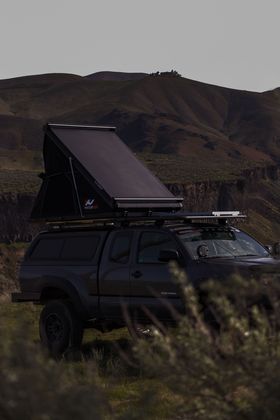
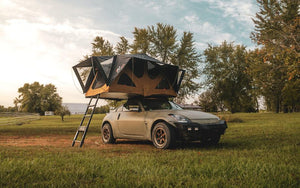
While soft shell rooftop tents remain popular for casual camping, hard shell RTTs have clear advantages for serious overlanders.
Hard Shell RTT Advantages:
- Structural stability under wind, rain, and uneven terrain
- Lower wind noise during highway driving thanks to aerodynamic design
- Thermal insulation for hot deserts and cold mountain nights
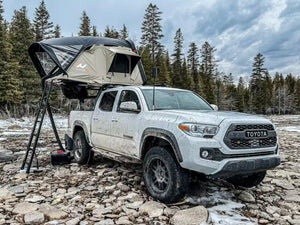
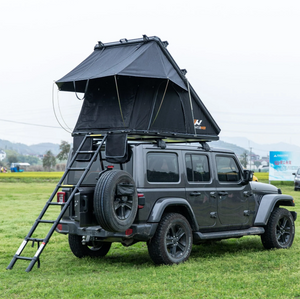
- Quick single-person deployment, even in adverse weather
Soft Shell RTT Advantages:
- Lighter weight for smaller vehicles
- Lower initial cost and beginner-friendly
- Often slightly larger sleeping footprint
Real-World Scenario:
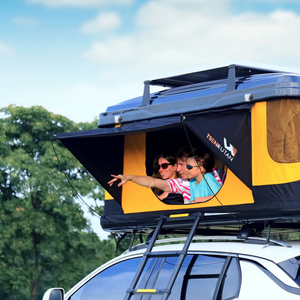
After a long day driving through muddy forest trails, a soft shell RTT may require careful assembly, tensioning straps, and pole installation — all while rain falls and darkness sets in. Hard shell RTTs open in minutes, with bedding protected and minimal effort.
This advantage becomes critical in:
- Night setups with limited light
- Sudden storms
- Long multi-stop overlanding routes
Deployment Efficiency: Saving Time and Energy
Setup efficiency can make or break an overlanding experience.
Hard shell RTTs allow travelers to:
- Deploy their sleeping area within minutes
- Reduce physical effort in windy or rainy conditions
- Maximize usable daylight for exploration
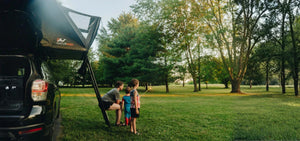
Less setup time means more flexibility to move between campsites, cook meals, or enjoy spontaneous stops along the trail. Solo travelers particularly benefit from the rapid-deploy design, ensuring safety and comfort without excessive fatigue.
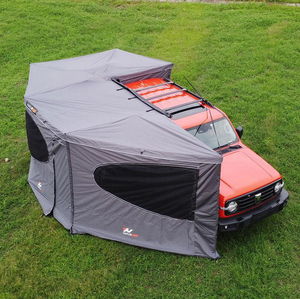
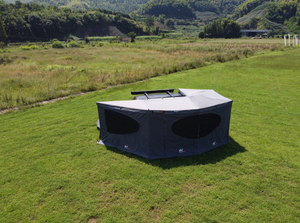
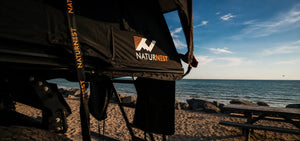
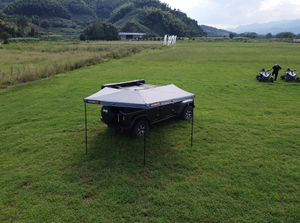
Modular Off-Road Basecamp with Naturnest Awning

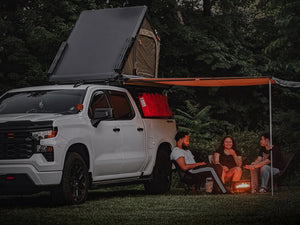
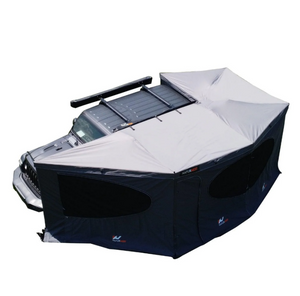
The Naturenest awning extends the functionality of the rooftop tent. It transforms a basic sleeping setup into a fully operational mobile basecamp:
Awning Applications:
- Outdoor kitchen or coffee station
- Gear storage and organization
- Weather shelter during storms
- Temporary repair or recovery staging area
The modular setup allows for a balance of comfort and mobility, turning the vehicle into a self-sufficient off-road home. RTT provides the core sleeping platform, while the awning creates practical living space for long overlanding trips.
Designed for Legendary Off-Road Vehicles
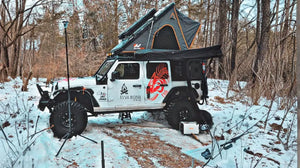
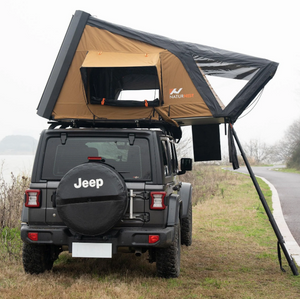
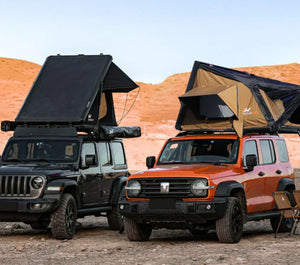
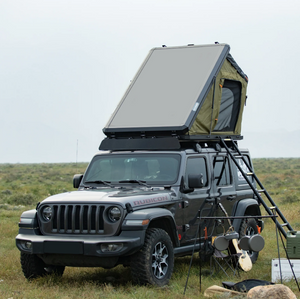
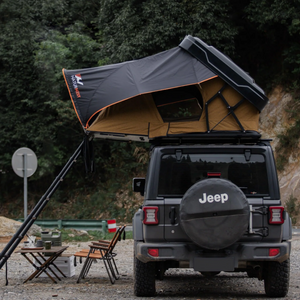
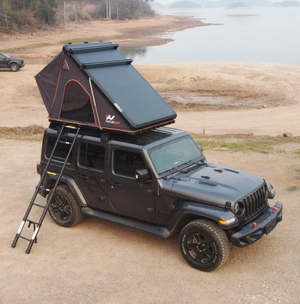
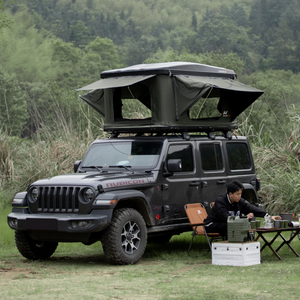
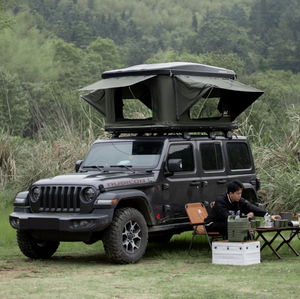
Classic overlanding vehicles like the Jeep Wrangler demand precise integration.
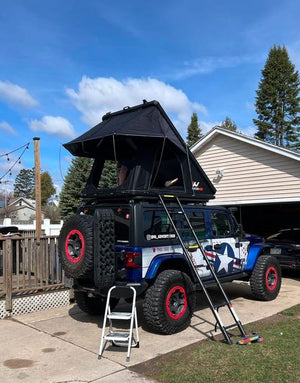
The rooftop Naturenest Wrangler waterproof telescopic system:
- Provides full waterproof protection during extreme weather
- Offers telescopic expansion to maximize interior space without compromising stability
- Integrates seamlessly with Wrangler rooflines for both aesthetics and aerodynamics
This ensures that the sleeping area remains dry and comfortable while maintaining the rugged look and functionality of the vehicle.
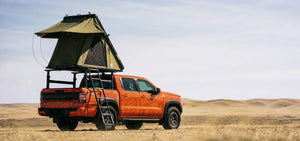
Real-World Scenario: Desert Overlanding
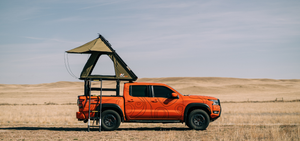
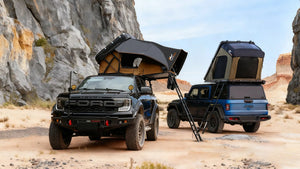
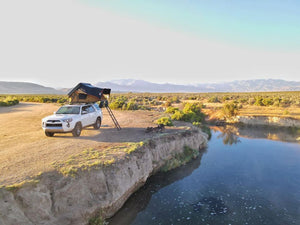
A desert expedition demonstrates the advantages of a hard shell RTT:
- High midday temperatures
- Sand and wind exposure
- Remote camping with no shelter
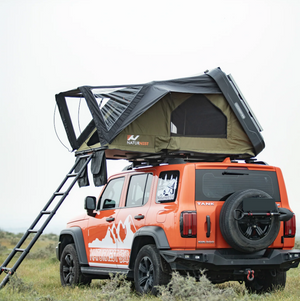
The hard shell RTT combined with a Naturenest awning provides:
- Elevated, shaded sleeping area protected from sand
- Quick setup to beat the heat and wind
- Additional living space for cooking, relaxing, or storing gear
Soft shell RTTs would require extra steps to secure the tent against wind and sand, reducing comfort and efficiency.
Why Hard Shell RTTs Are Becoming the Standard
Hard shell rooftop tents now dominate the serious overlanding market because they offer:
- Faster deployment for more daylight exploration
- Structural durability in extreme weather
- Reliable long-distance usability
- Reduced maintenance and setup stress
For campers, this means spending less time struggling with tents and more time engaging with the environment, exploring off-grid trails, and enjoying spontaneous stops.
The hard shell RTT has evolved from a rugged accessory into an essential piece of off-road lifestyle gear. For adventurers seeking true freedom, mobility, and comfort in remote areas, it’s the ultimate travel companion.